Essential Strategies for Successful Dinner Parties

Dinner parties can be a delightful way to connect with friends and family, share delicious food, and create lasting memories. However, hosting a successful dinner party requires careful planning and execution. From the guest list to the menu, every detail matters. In this post, we will explore essential strategies to ensure your dinner parties are not only enjoyable but also memorable for everyone involved.

Planning Your Guest List
The first step in hosting a successful dinner party is to carefully consider your guest list. The right mix of people can set the tone for the evening and encourage engaging conversations. Here are some tips for creating an ideal guest list:
Diversity of Interests: Invite guests with varied backgrounds and interests. This diversity can lead to stimulating discussions and new friendships.
Comfort Level: Consider the dynamics between guests. If some guests are unfamiliar with each other, think about how to facilitate introductions and create a comfortable atmosphere.
Number of Guests: Aim for a manageable number of guests. A smaller gathering can foster intimacy, while a larger group can create a lively atmosphere. Typically, 6-10 guests is a good range for a dinner party.
Setting the Right Atmosphere
The ambiance of your dinner party plays a crucial role in how your guests feel. Here are some strategies to create a welcoming environment:
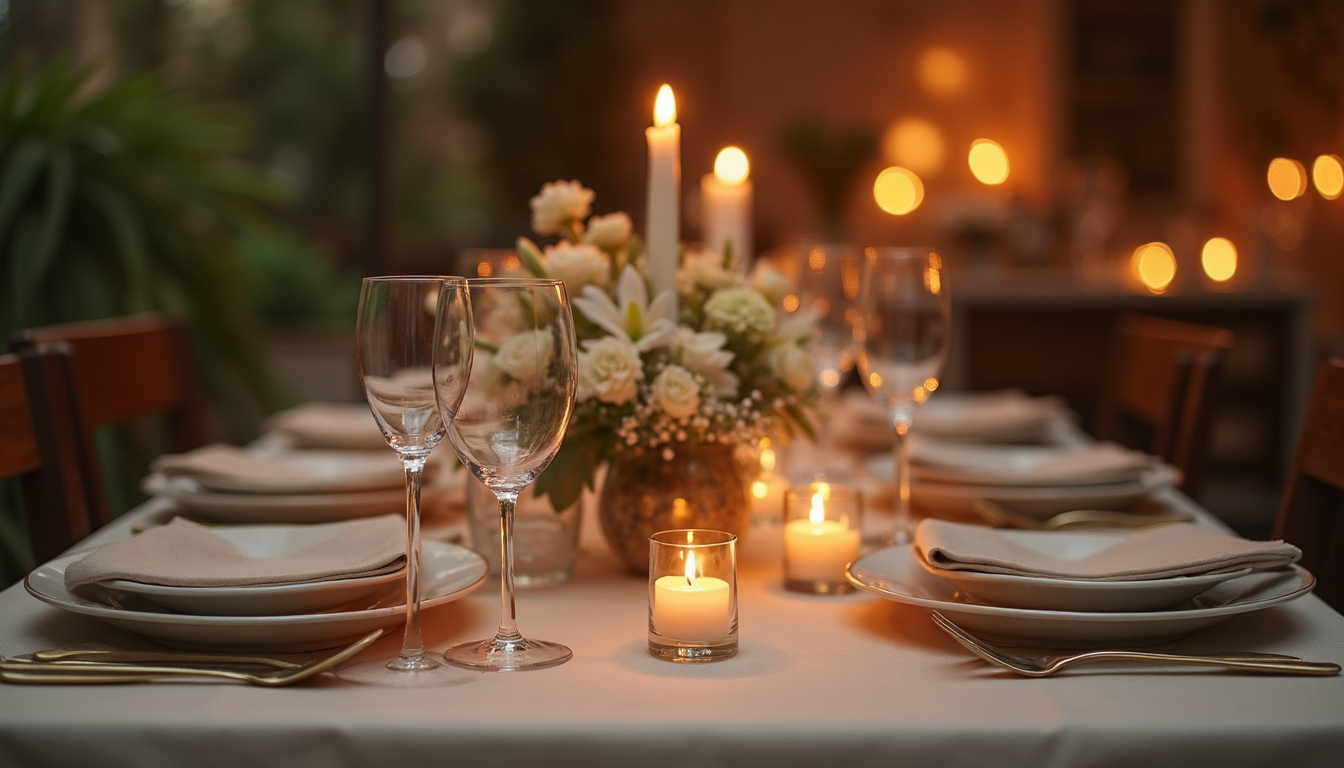
Lighting: Soft, warm lighting can make your space feel cozy and inviting. Consider using candles or dimmable lights to set the mood.
Music: Background music can enhance the atmosphere. Choose a playlist that complements the theme of your dinner party without overpowering conversations.
Decor: Simple yet elegant decor can elevate your dining experience. Fresh flowers, tasteful table settings, and thematic decorations can add a personal touch.
Crafting the Perfect Menu
The menu is often the highlight of any dinner party. Here are some tips for crafting a menu that will impress your guests:
Dietary Restrictions: Always check for dietary restrictions or preferences before finalizing your menu. This consideration shows thoughtfulness and ensures everyone can enjoy the meal.
Balance: Aim for a balanced menu that includes a variety of flavors and textures. Consider incorporating appetizers, a main course, sides, and dessert.
Make-Ahead Options: Choose dishes that can be prepared in advance. This will allow you to spend more time with your guests and less time in the kitchen.
Sample Menu Ideas
Appetizers: Stuffed mushrooms, bruschetta, or a charcuterie board.
Main Course: Herb-roasted chicken, vegetarian lasagna, or grilled salmon.
Sides: Garlic mashed potatoes, seasonal vegetables, or a fresh salad.
Dessert: Chocolate mousse, fruit tart, or a cheese platter.
Beverage Selection
Pairing the right beverages with your meal can enhance the dining experience. Here are some tips for selecting drinks:
Wine Pairing: Offer a selection of wines that complement your menu. A white wine for lighter dishes and a red wine for heartier meals can be a good rule of thumb.
Non-Alcoholic Options: Always provide non-alcoholic beverages for guests who prefer not to drink. Sparkling water, mocktails, or fresh juices can be refreshing alternatives.
Signature Cocktail: Consider creating a signature cocktail for your dinner party. This adds a unique touch and can be a fun conversation starter.
Engaging Your Guests
Once your guests arrive, it's essential to create an engaging atmosphere. Here are some strategies to keep the energy high:
Icebreakers: Start with light conversation or fun icebreakers to help guests feel comfortable. This can be particularly helpful if some guests are meeting for the first time.
Seating Arrangement: Think about your seating arrangement. Mixing up guests can encourage new conversations and connections.
Interactive Elements: Consider incorporating interactive elements, such as a DIY cocktail station or a fun game, to keep guests engaged throughout the evening.
Timing is Everything
The timing of your dinner party can significantly impact its success. Here are some tips to keep in mind:
Start Time: Choose a start time that allows guests to arrive without feeling rushed. Typically, a 7 PM start time works well for dinner parties.
Pacing the Meal: Serve courses at a comfortable pace. Allow time for guests to enjoy each dish and engage in conversation before moving on to the next course.
End Time: While it's important to enjoy the evening, be mindful of your guests' schedules. A clear end time can help guests feel more comfortable about leaving.
Handling Unexpected Situations
Even the best-planned dinner parties can encounter unexpected situations. Here are some strategies to handle potential issues:
Food Mishaps: If a dish doesn't turn out as planned, have a backup option ready. A simple cheese platter or a store-bought dessert can save the day.
Late Arrivals: If guests arrive late, don't stress. Keep the first course light and easy to serve, allowing latecomers to join in without feeling awkward.
Disruptive Guests: If a guest becomes disruptive, address the situation calmly and discreetly. Redirect the conversation or engage them in a different activity to diffuse tension.
Post-Dinner Engagement
After the meal, consider how to keep the evening enjoyable for your guests. Here are some ideas:
Coffee and Dessert: Serving coffee or tea with dessert can extend the evening and encourage more conversation.
Games or Activities: If the mood allows, introduce a fun game or activity to keep the energy high.
Thank You Notes: After the party, consider sending thank you notes to your guests. This gesture shows appreciation and can strengthen your relationships.
Conclusion
Hosting a successful dinner party is all about thoughtful planning, creating a welcoming atmosphere, and engaging your guests. By considering your guest list, crafting a balanced menu, and being prepared for unexpected situations, you can ensure that your dinner parties are enjoyable and memorable. Remember, the goal is to create connections and share experiences, so focus on enjoying the moment with your guests.
With these essential strategies, you are well on your way to hosting dinner parties that will be talked about for years to come. So gather your friends, set the table, and let the good times roll!
Comments